
perimeter overflow

These vessels overflow, not only do they overflow into each other to some extent, but they also overflow the edges. And looking at the photograph, it is quite a baffling situation. When water is seen to overflow the pool, and the question arises as to where does the water go? And part of the beauty of these perimeter edge overflow with perimeter overflow is that the water seems to flow over the edges in some sort of a magical way.
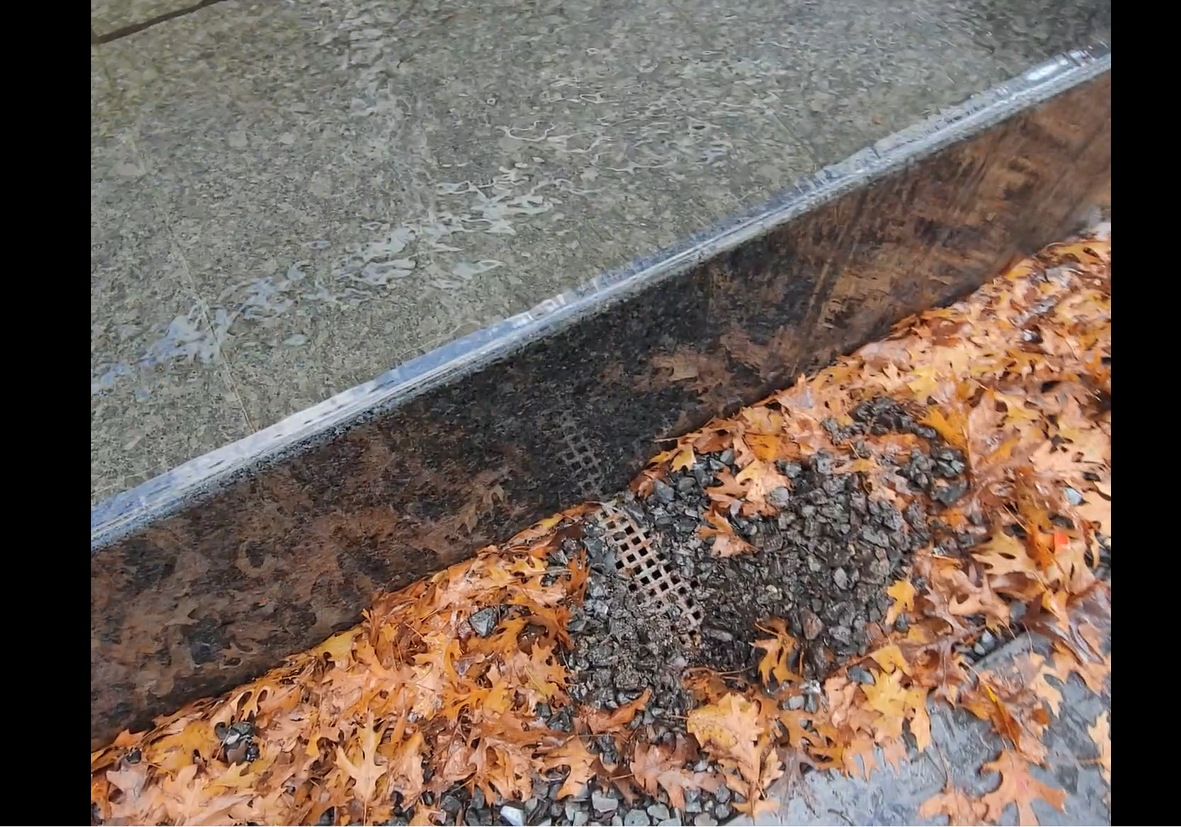
And here is a key factor, is that around the entire vessel, if it’s not flowing into a pool such as this one, it will flow into a concealed trough that is concealed underneath a grate. Generally, the grate will be fiberglass or stainless steel, and on top of the grate will be either some sort of gravel or something decorative.
So speaking about how this is built, I will explain that this is a very complex series of pools that not only flow into each other to some extent, but also flow over their edges.

It requires advanced understanding of fluid dynamics and how the system should be plumped.
If we look at each one of these vessels, we see that water flows over the edges.
Now, if for example, the water flowed seriously from the top pool into the adjoining pool and so on and so forth down to the end pool, then this would’ve drained itself.
So it really gives us the illusion that it’s doing that, but that’s not the way it is plumbed.
So let me speak about the plumbing to try and create something like this.
What happens with the plumbing is that each vessel has a line that goes to each vessel.
There’s a return line in each vessel, and the return is coming in through a very cleverly concealed return that we can see with a slot allowing just enough water through to ripple over the edges.
Now, knowing that each one has its own dedicated return line means that there is a surge tank somewhere in this vicinity where water is sucked out of the surge tank via a pump or a series of pumps, and then water is returned back to each vessel.
Now, that can be done with one dedicated pump to one vessel. So in other words, each one would have a suction line from a surge tank and going back to each vessel. So we could count 1, 2, 3, 4, at least five pumps to run this successfully. It cannot run on one or two pumps that basically suck water from a surge tank and return the water back to the top because it would never have this consistent amount of flow. So while these are complex, they’re very difficult to build. They are extremely rewarding, and they really create such a serene effect and style either for your backyard or even a fountain feature for your front yard or your business.